


 英语
英语 西班牙语
西班牙语 阿拉伯语
阿拉伯语 中文简体
中文简体محتوى
- 1 How Big Is a 25 Quart Cooler? The Direct Answer
- 2 Understanding Cooler Sizes: A Complete Size Chart
- 3 How Big Is a 45 Quart Cooler?
- 4 How Big Is a 50 Qt Cooler — and How Does It Compare?
- 5 How Big Is a 52 Qt Cooler?
- 6 120 Qt Cooler Size: For the Serious Outdoor Enthusiast
- 7 Understanding the 18x14x14 Cooler Dimension
- 8 Spotlight: Aerocoast Pro Cooler II
- 9 Navy Cooler: Military-Grade Cooling Explained
- 10 Using a Cooler Size Calculator: How to Find Your Perfect Fit
- 11 Cooler Sizing Tips: Maximizing Performance at Every Size
- 12 Top Use Cases for a 25-Quart Cooler
- 13 Final Verdict: Is a 25 Quart Cooler Right for You?
Whether you're gearing up for a weekend camping trip, a day at the beach, or a backyard BBQ, choosing the right cooler size can make or break your experience. This guide answers every question you have about cooler sizing — starting with the most searched one.
How Big Is a 25 Quart Cooler? The Direct Answer
If you're asking how big is a 25 quart cooler, here's the short answer: a 25-quart cooler typically measures approximately 18 inches long × 13 inches wide × 13 inches tall on the exterior, with an interior capacity of roughly 23–25 liters. It can hold approximately 25–30 cans with ice, or about 16–20 cans without ice if you pack them efficiently.
In practical terms, 25 quarts equals 6.25 gallons or approximately 23.7 liters. This is considered a small-to-mid personal cooler — compact enough to carry solo, yet large enough for a full day outing for 2–3 people.
| Measurement | Typical Value |
|---|---|
| Exterior Dimensions (L×W×H) | ~18" × 13" × 13" |
| Capacity in Liters | ~23.7 L |
| Capacity in Gallons | ~6.25 gal |
| Can Capacity (with ice) | ~25–30 cans |
| Typical Weight (empty) | ~5–8 lbs |
| Best Use Case | Day trips, 2–3 people, personal use |
Keep in mind that actual interior dimensions vary by brand due to wall insulation thickness. Thicker insulation (like those found in premium brands) means less usable interior space despite the same nominal quart rating.
Understanding Cooler Sizes: A Complete Size Chart
Coolers are measured in quarts (qt), a unit of liquid volume in the US customary system. 1 quart = 0.946 liters. The quart rating refers to the total interior volume of the cooler, including both food/drink and ice.
Here's a complete reference table covering the most common cooler sizes, so you can compare the 25-quart against its siblings:
| Size (Qt) | Approx. Exterior (L×W×H) | Cans w/ Ice | Best For |
|---|---|---|---|
| 16 Qt | 15" × 10" × 11" | ~18 cans | Solo day trips |
| 25 Qt | 18" × 13" × 13" | ~28 cans | 2–3 people, day outings |
| 45 Qt | 24" × 15" × 16" | ~45–50 cans | Weekend trips, 3–4 people |
| 50 Qt | 26" × 16" × 17" | ~50–60 cans | Family weekend camping |
| 52 Qt | 27" × 16" × 17" | ~52–65 cans | Multi-day trips, 4–5 people |
| 120 Qt | 36" × 18" × 21" | ~120–160 cans | Large groups, extended trips |
How Big Is a 45 Quart Cooler?
When people ask how big is a 45 quart cooler, they're often looking to step up from a personal-size unit. A 45-quart cooler typically measures around 24 inches long × 15 inches wide × 16 inches tall on the exterior. It holds approximately 45–50 cans with ice, or enough food and drink for a family of 4 over a full weekend.
The jump from 25 qt to 45 qt is significant: you're gaining roughly 80% more capacity, but the cooler also becomes noticeably heavier (often 10–15 lbs empty) and bulkier. For 2-day camping trips where you need to store perishable food like steaks, marinated chicken, or dairy, the 45 qt is typically the minimum recommended size.
- Interior space: ~42.6 liters usable
- Can fit a full watermelon or a 12-inch pizza box
- Still portable (two handles), no wheels needed
- Ice retention: 2–4 days depending on insulation quality
How Big Is a 50 Qt Cooler — and How Does It Compare?
Understanding how big is a 50qt cooler is important because it sits in the sweet spot between personal and family-sized units. A 50-quart cooler is typically around 26 inches long × 16 inches wide × 17 inches tall. With approximately 47.3 liters of interior volume, it can comfortably hold 50–60 cans with ice or supplies for 4–5 people over a 2–3 day trip.
Compared to the 25-quart, the 50 qt offers double the volume but requires more planning for portability. Most 50 qt coolers weigh 12–18 lbs empty, and fully packed can exceed 50 lbs. Some models include wheels, making transport far easier.
25 Qt vs. 50 Qt: Side-by-Side
| Feature | 25 Qt Cooler | 50 Qt Cooler |
|---|---|---|
| Volume (Liters) | ~23.7 L | ~47.3 L |
| Cans (with ice) | ~25–30 | ~50–60 |
| Empty Weight | ~5–8 lbs | ~12–18 lbs |
| Portability | Easy (one person) | Two people or wheeled |
| Ideal Group Size | 1–3 people | 4–6 people |
| Trip Duration | Day trip | 2–3 day weekend |
How Big Is a 52 Qt Cooler?
The 52-quart size is one of the most popular mid-to-large cooler sizes on the market, and the question of how big is 52 qt cooler comes up constantly. A 52-quart cooler typically measures about 27 inches long × 16 inches wide × 17 inches tall on the outside. It holds approximately 49.2 liters of interior volume, fitting 52–65 standard 12 oz cans with ice.
The 52 qt is nearly identical in use-case to the 50 qt — the difference is marginal (about 1.9 liters more capacity). Popular models in this range include the Coleman 52 Qt Steel-Belted Cooler and the Igloo Sportsman 55 Qt. What makes the 52 qt a crowd favorite is its balance of sufficient volume for multi-day trips while still fitting in most car trunks and truck beds without exceeding standard truck bed width.
For those planning extended Ice Cooler Container events such as tailgating, fishing excursions, or 3-day camping trips with 4–6 people, the 52 qt is frequently the go-to recommendation from outdoor gear experts.
120 Qt Cooler Size: For the Serious Outdoor Enthusiast
When you need a cooler that can handle a large group or an extended trip, the 120 qt cooler size is where you look. A 120-quart cooler is a beast by any standard — typically measuring around 36 inches long × 18 inches wide × 21 inches tall. It has approximately 113.6 liters of interior volume and can hold up to 120–160 cans with ice.
These coolers almost always feature integrated wheels and a telescoping handle, as they can weigh 20–30 lbs empty and up to 150 lbs fully loaded. They are designed for situations where you cannot replenish ice, like a 5–7 day backcountry camping trip or an extended offshore fishing expedition.
Who Needs a 120 Qt Cooler?
- Groups of 8 or more on multi-day trips
- Hunting or fishing expeditions requiring whole fish or game storage
- Caterers and event organizers needing large-volume chilled storage
- Boating and marine use where re-icing is not practical
- Tailgate parties with 50+ guests
Premium 120 qt coolers from brands like YETI (Tundra 125), Pelican (Elite 150), and RTIC (145 Qt) offer ice retention of 7–10 days thanks to 2–3 inch polyurethane foam insulation walls.

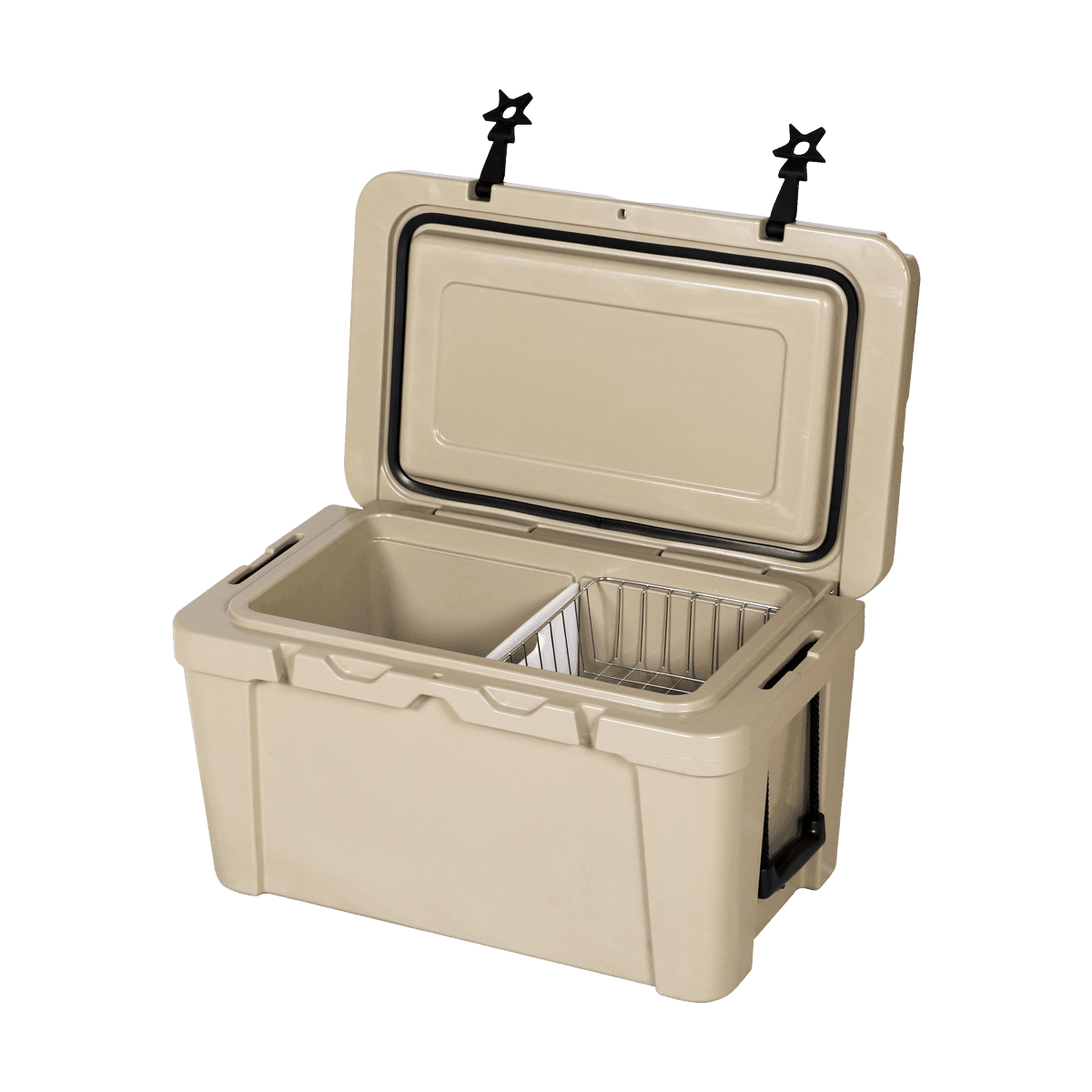
Understanding the 18x14x14 Cooler Dimension
The dimension 18x14x14 cooler (18 inches long × 14 inches wide × 14 inches tall) is a common exterior measurement for coolers in the 20–30 quart range. If you see a cooler listed with these dimensions, you can expect an interior capacity of approximately 22–28 quarts — close to the 25 qt benchmark — depending on wall insulation thickness.
This footprint is ideal for:
- Fitting under the seat of a pickup truck cab
- Stowing in the footwell of a boat
- Carrying as personal luggage on a flight (check airline rules)
- Fitting in a kayak or canoe storage hatch
Always measure your available space before purchasing. A cooler that's 1–2 inches too wide for your truck's rear seat won't fit no matter how perfect the quart rating sounds on paper.
Spotlight: Aerocoast Pro Cooler II
If you're in the market for a compact, high-performance cooler, the Aerocoast Pro Cooler II deserves serious attention. This is a soft-sided aviation-inspired cooler designed with pilots and frequent travelers in mind, though it has gained popularity with outdoor enthusiasts as well.
Key highlights of the Aerocoast Pro Cooler II include:
- Capacity: Approximately 20–25 liters, comparable to a 25 qt hard cooler
- Construction: Heavy-duty nylon exterior with PEVA-lined interior for leak resistance
- Insulation: High-density foam holds ice for up to 24 hours
- Portability: Designed to fit in aircraft luggage compartments and under seats
- Additional pockets: Multiple external pockets for dry storage of snacks, utensils, and personal items
The Aerocoast Pro Cooler II bridges the gap between traditional hard coolers and soft insulated bags. It's particularly useful for one-day excursions where you need food and drink storage but don't want the bulk and weight of a rigid cooler. Think of it as a 25-quart-equivalent in soft form — nimble, versatile, and purpose-built.
The term navy cooler refers to coolers that meet military-grade specifications, originally designed for use aboard naval vessels and in military field operations. These coolers must meet extremely demanding standards for durability, temperature retention, and structural integrity.
Navy coolers in the civilian market typically feature:
- Rotomolded polyethylene construction — virtually indestructible shell
- 2–3 inch insulation walls for extreme temperature retention (7–14 days of ice)
- Bear-resistant certification in some models
- MIL-SPEC hardware — stainless steel latches and drain plugs
- UV-resistant coating to withstand prolonged sun exposure on deck
These coolers range from 25 qt up to 150 qt and are the preferred choice for serious anglers, hunters, and military personnel. They are significantly heavier than consumer models of comparable size, but the thermal performance and longevity justify the premium for heavy-use scenarios.
Using a Cooler Size Calculator: How to Find Your Perfect Fit
A cooler size calculator is a practical tool — either digital or done manually — that helps you determine the right cooler capacity based on your specific trip requirements. Rather than guessing, you can input variables like group size, trip duration, and types of food/drinks to get a recommended quart range.
The Manual Cooler Size Calculator Method
Use this simple formula as your personal cooler size calculator:
- Estimate daily beverage consumption: ~3–4 cans or bottles per person per day
- Estimate food volume: ~1 quart of space per pound of food (rough guide)
- Add ice volume: Ice takes up roughly 30–40% of cooler space; account for this
- Total = (beverages + food) × 1.4 for ice buffer
Quick Reference: Group Size vs. Recommended Cooler Size
| Group Size | Day Trip | Weekend (2–3 days) | Extended (4–7 days) |
|---|---|---|---|
| 1–2 people | 16–25 qt | 25–45 qt | 45–65 qt |
| 3–4 people | 25–45 qt | 45–65 qt | 65–100 qt |
| 5–8 people | 45–65 qt | 65–100 qt | 100–150 qt |
| 8+ people | 65+ qt | 100+ qt | 120–165 qt |
Pro tip: When in doubt, size up by 10–15%. A cooler that's slightly too big is always manageable; one that's too small will leave you scrambling for more storage before you even leave the trailhead.
Cooler Sizing Tips: Maximizing Performance at Every Size
Regardless of whether you choose a 25 qt or a 120 qt cooler, the following tips will help you get the most out of whichever size you select.
Pre-Chill Your Cooler
A room-temperature cooler absorbs heat from your ice, reducing retention time dramatically. Before packing, fill your cooler with a bag of sacrifice ice 12–24 hours in advance, then dump it and pack your real contents. This can extend ice life by up to 50%.
Pack in Layers: Bottom to Top
Cold air sinks. Pack in this order for maximum efficiency:
- Layer of ice at the bottom (block ice works better than cubed)
- Raw meats and items that need the coldest temperatures
- Dairy, condiments, and perishables
- Drinks and beverages (accessed most frequently)
- Final layer of ice or ice packs on top
Use Block Ice, Not Just Cubes
Block ice melts significantly slower than cubed ice. A single 10 lb block of ice will outlast two bags of cube ice in the same cooler. Use blocks for the base layer and cubes to fill gaps around food for contact cooling.
Keep the Drain Plug Closed
Meltwater (ice water at 32°F) is actually a better cooling medium than ice for many foods. Draining it prematurely forces your remaining ice to work harder. Keep the plug closed unless the water ratio exceeds 30% of the cooler's volume.
Minimize Lid Openings
Every time you open the lid, you introduce warm air. For group trips, consider using two smaller coolers — one dedicated to drinks (opened frequently) and one for food (opened only at mealtimes). This strategy alone can double the ice retention in your food cooler.
Top Use Cases for a 25-Quart Cooler
Now that we know exactly how big is a 25 quart cooler, let's talk about where it truly shines. The 25 qt hits a unique sweet spot: compact enough to be genuinely portable, yet large enough to be more than a glorified lunchbox.
Beach and Pool Days
A 25 qt cooler is the classic beach companion. It holds enough drinks and snacks for 2–3 adults over a full day, yet it's light enough (under 20 lbs when full) to carry from the parking lot to the shore. Many models in this size include a top lid that doubles as a seat — a handy bonus on sandy beaches.
Day Hiking and Trail Use
For trail-accessible campsites or car camping where you'll return to the vehicle during the day, a 25 qt stored in the trunk is ideal. It keeps your post-hike cold drinks and snacks ready without taking up excessive cargo space.
Tailgating as a Personal Cooler
At a tailgate, the large group cooler usually gets picked over quickly. A personal 25 qt cooler means you control your own beverages and can keep your premium items — craft beers, specific snacks — separate from the communal supply.
Fishing Day Trips
A 25-quart cooler can store a moderate catch of fish (think 8–12 average-sized freshwater fish) alongside your lunch and drinks. For shore fishing or kayak fishing where storage is limited, the 25 qt is often the maximum practical size.
Office and Commuter Use
Increasingly, people use hard-sided coolers as high-performance lunch boxes. The 25 qt is the upper limit of what fits comfortably in a car's back seat or office break room corner — and a quality insulated cooler will keep your lunch and afternoon snacks cold for 8–10 hours without any ice at all if pre-chilled properly.
Final Verdict: Is a 25 Quart Cooler Right for You?
A 25-quart cooler is the ideal choice if you fit into one or more of the following profiles:
- You're a solo adventurer or going out with 1–2 companions
- Your typical outing is a single day (beach, hiking, fishing, park)
- You need a personal cooler at a larger group event
- Portability and storage space are top priorities
- You want an affordable entry point into quality cooler ownership
However, if you're regularly camping for 2+ nights, feeding a family of 4 or more, or participating in activities where you'll need to store large items (whole fish, game meat, watermelons), consider stepping up to a 45 qt, 50 qt, or 52 qt cooler — and for truly large-scale needs, the 120 qt cooler size is your answer.
When all is said and done, knowing exactly how big is a 25 quart cooler — roughly 18" × 13" × 13", 25–30 cans with ice, perfect for 1–3 people on a day trip — gives you the confidence to make the right purchase decision before you ever set foot in a store or click "add to cart."
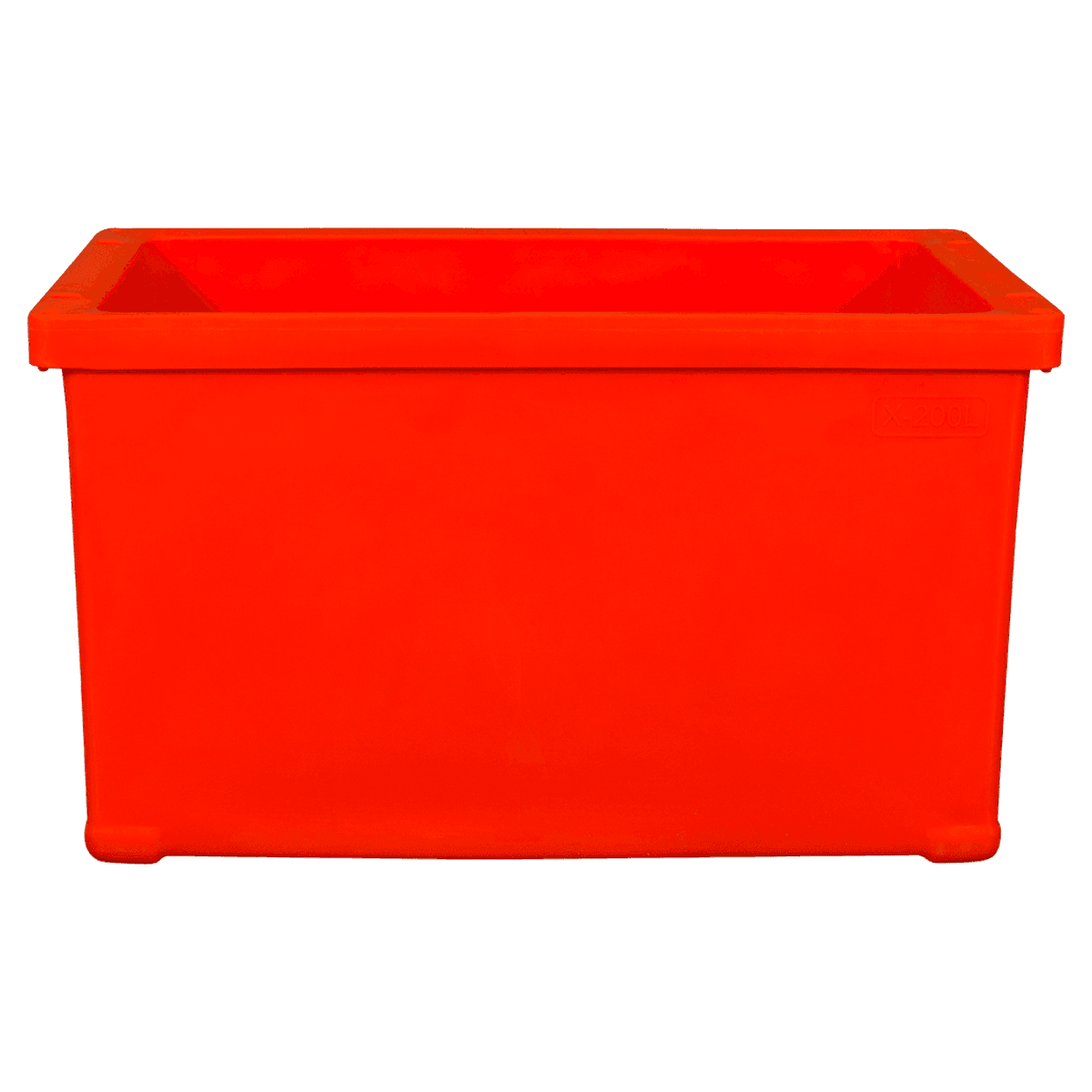
-4.png "X-120L صندوق تبريد ثلج صندوق السمك المعزول")
-4.png "X-70L صندوق تبريد ثلج الصيد المعزول")
-2.png "X-68L صندوق تبريد الثلج للحفاظ على الطعام باردًا وطازجًا")
-2.png "X-120L خزانات نقل المأكولات البحرية الحية")
-2.png "X-70L خزانات نقل المأكولات البحرية الحية")
