


 英语
英语 西班牙语
西班牙语 阿拉伯语
阿拉伯语 中文简体
中文简体محتوى
- 1 The Quick Answer: What Matters Most When Choosing an Ice Cooler Container
- 2 Hard-Sided, Soft-Sided, or Electric: Which Cooler Type Fits Your Trip?
- 3 Budget Breakdown: What Different Price Points Actually Get You
- 4 Capacity and Size: Matching Your Cooler to Your Trip
- 5 Insulation Performance: How Long Should Ice Actually Last?
- 6 Material Matters: Is Plastic Number 5 Food Safe for Your Cooler and Containers?
- 7 Reading the Symbols on Plastic Containers: Microwave, Dishwasher, and Recycling Marks
- 8 Plastics to Avoid: Which Containers Shouldn't Go in Your Cooler
- 9 Portability and Durability Features That Make a Real Difference
- 10 The Bigger Picture: Plastic Waste and Why Reusable Containers Matter
- 11 Frequently Asked Questions About Ice Cooler Containers and Plastic Safety
- 11.1 Are plastic containers safe to leave in a cooler full of ice water for days?
- 11.2 Can I put a plastic number 5 container in the microwave even if it doesn't have a microwave symbol?
- 11.3 Is it better to use loose ice or reusable ice packs in a cooler container?
- 11.4 How much plastic is wasted every year from disposable cooler items?
- 11.5 Does the size of the ice cooler container affect how much ice I need to buy?
- 11.6 What is the difference between a plastic rating and a food safety symbol?
- 12 Cleaning and Maintaining Your Cooler and Food Containers
- 13 Final Checklist: Choosing Your Ice Cooler Container Step by Step
The Quick Answer: What Matters Most When Choosing an Ice Cooler Container
The right ice cooler container for outdoor trips comes down to five things: insulation quality, capacity that matches your trip length, durable and food-safe materials, portability features, and a budget that fits how often you'll use it. For a weekend camping trip with two to four people, a 25–45 quart hard-sided cooler with rotomolded walls and at least 1.5–2 inches of insulation will typically keep ice solid for two to five days. For day trips, picnics, or beach outings, a soft-sided cooler bag or a 10–25 quart container with basic insulation is usually enough and far easier to carry.
Beyond the cooler itself, many people also pack food in smaller plastic containers inside the cooler — sandwiches, leftovers, cut fruit, or sauces. This is where understanding plastic safety symbols becomes important, because not every container is designed to handle ice-cold storage, microwave reheating, or repeated dishwasher cycles. The rest of this guide breaks down each of these factors with practical examples, so you can pick a cooler — and the containers that go inside it — with confidence.
It's also worth thinking about how the cooler fits into your broader routine. Someone who takes a cooler out once a year for a holiday picnic has very different needs than someone who uses one weekly for fishing trips, job sites, tailgates, or daily commutes with packed lunches. Frequent users benefit more from investing in a higher-quality rotomolded cooler and a matching set of durable, food-safe containers, since the cost gets spread across dozens or hundreds of uses. Occasional users may get just as much value from a mid-range hard cooler paired with a few reusable PP containers they already own.
Hard-Sided, Soft-Sided, or Electric: Which Cooler Type Fits Your Trip?
Before getting into specific features, it helps to understand the three broad categories of ice cooler containers, since each one is built around a different trade-off between cost, weight, and performance.
Hard-Sided Coolers
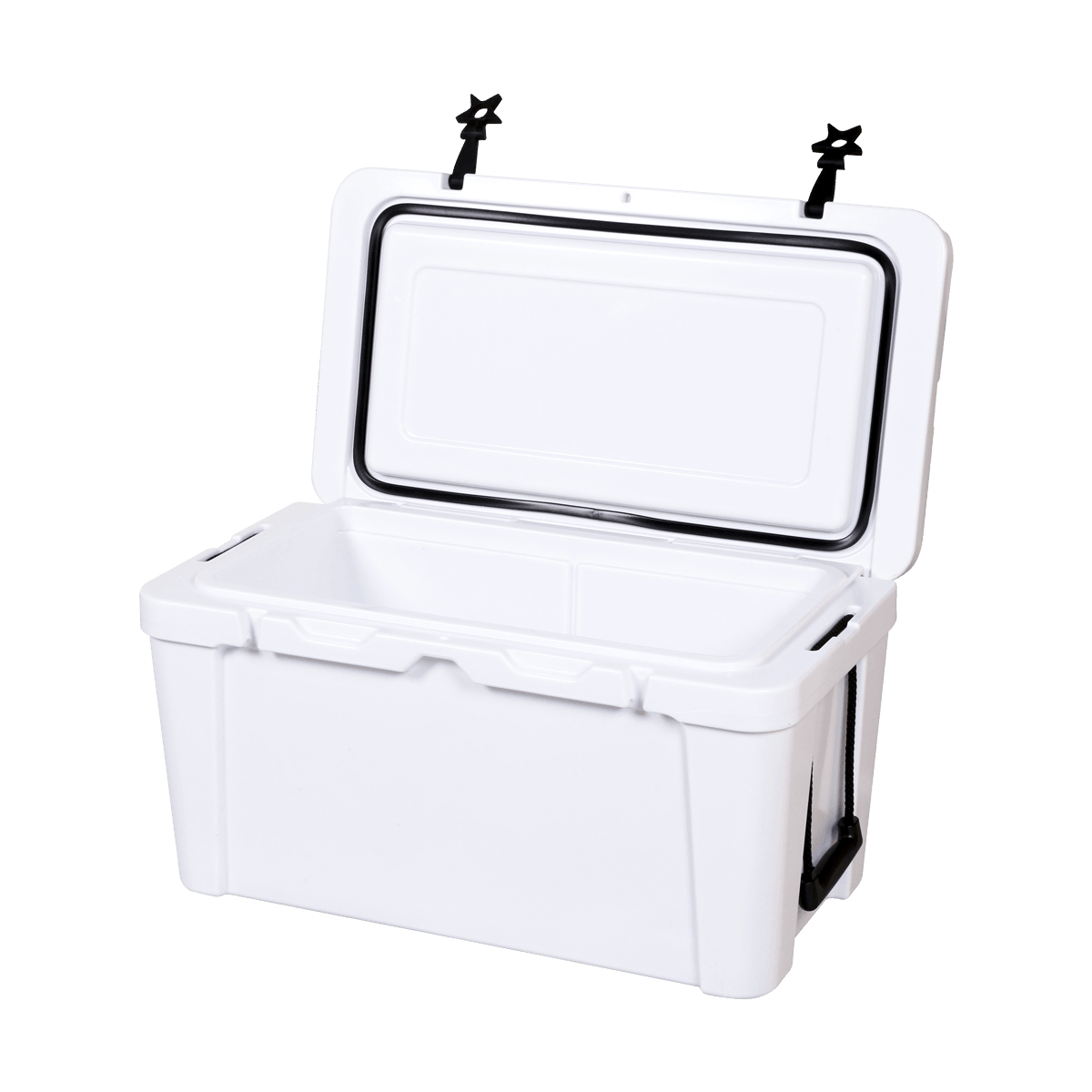
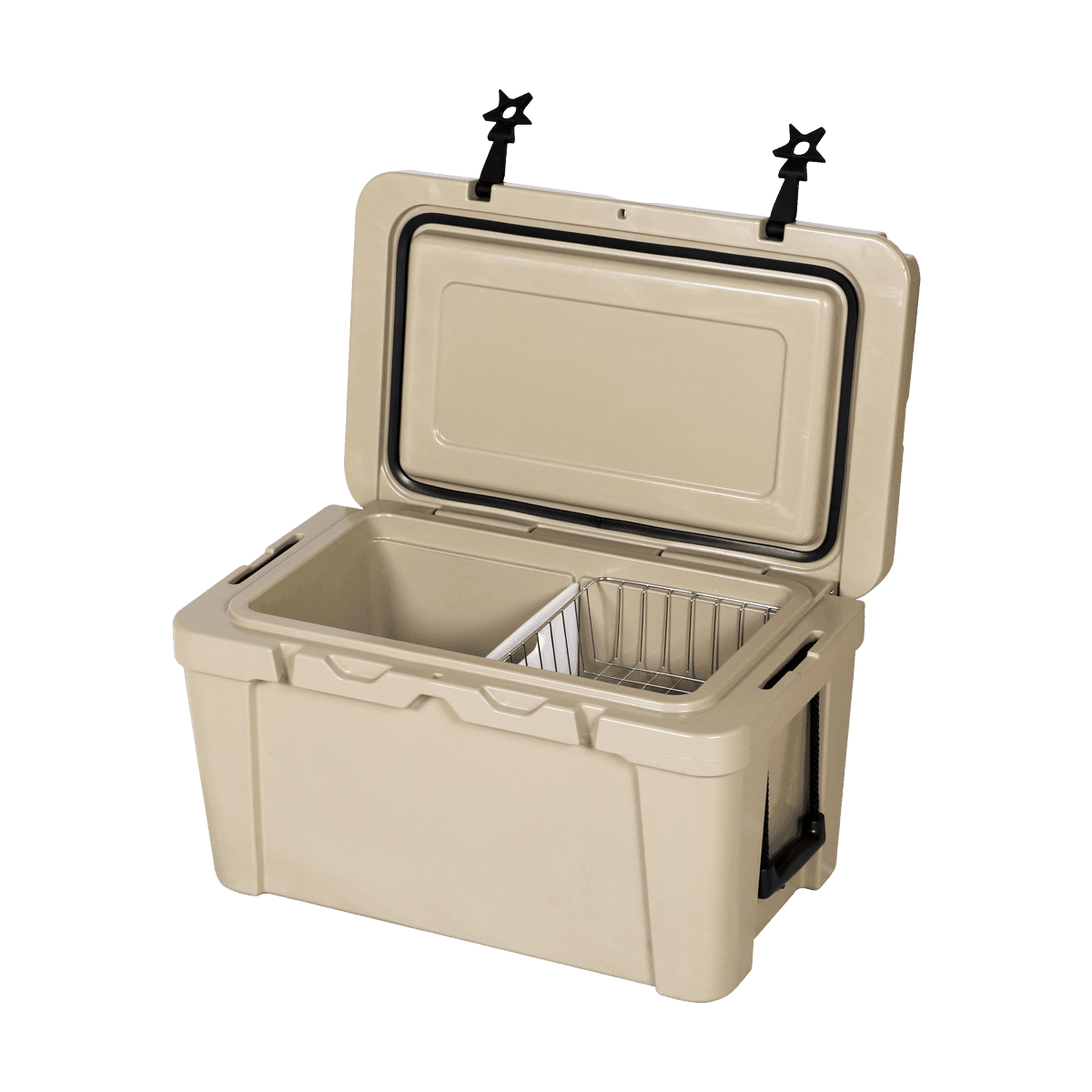
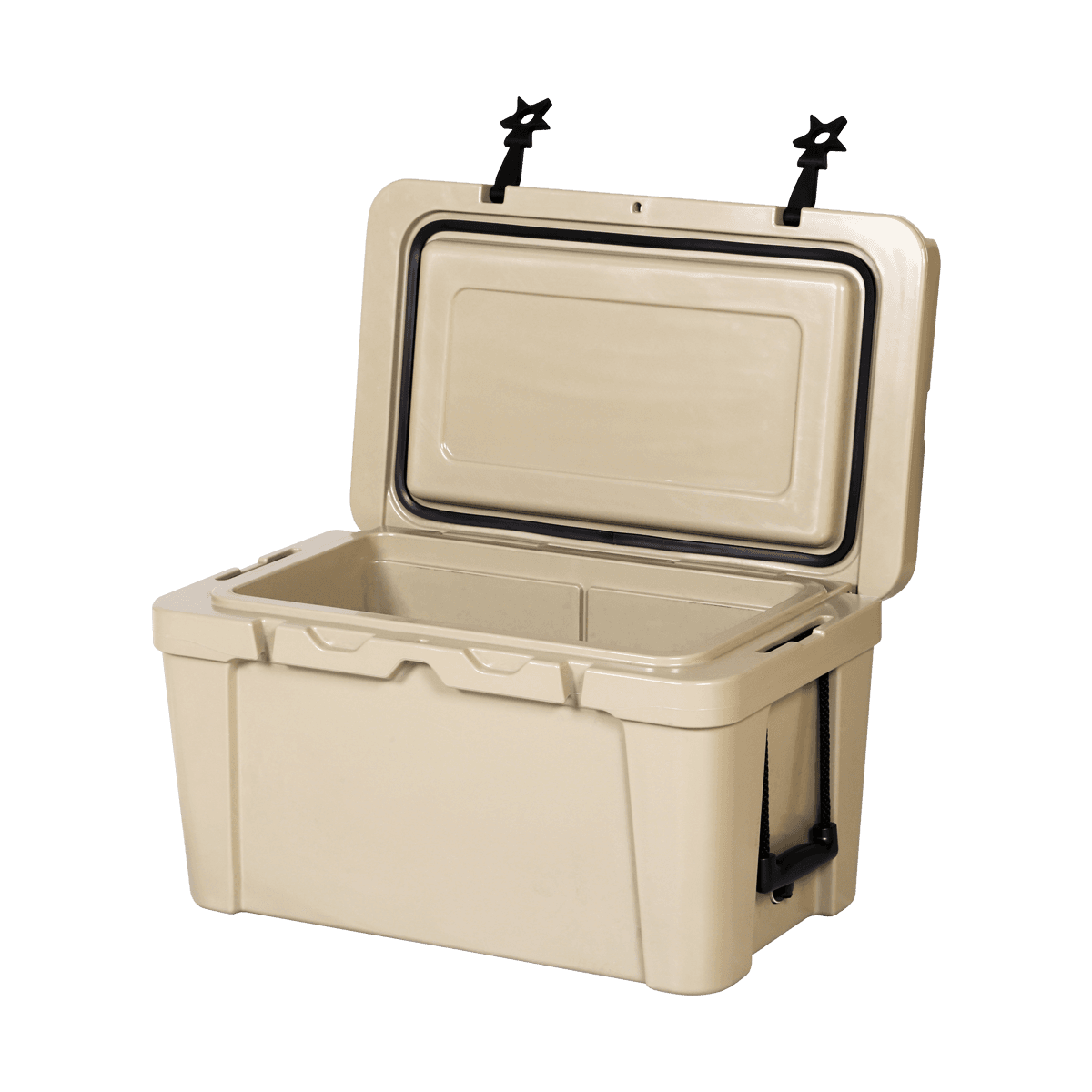
Hard-sided coolers are the most common choice for camping, road trips, and tailgating. They range from basic injection-molded foam coolers to heavy-duty rotomolded designs. Hard coolers offer the best impact resistance — they can be used as a seat, a table, or even a step stool — and generally provide the longest ice retention because the walls are thicker and the lids seal more tightly. The trade-off is weight: an empty 45-quart rotomolded cooler can weigh 20–25 lbs on its own, before adding ice and food.
Soft-Sided Coolers and Cooler Bags
Soft-sided coolers use insulated fabric, foam liners, and a zippered closure instead of a hinged lid. They're lightweight, collapsible when empty, and easy to sling over a shoulder, which makes them ideal for hikes, beach days, and lunch commutes. Most soft coolers rely on frozen gel packs rather than loose ice, since loose ice and water can be harder to contain in a fabric liner. Ice retention is shorter — typically 12–24 hours — but for single-day outings that's usually more than enough.
Electric and 12V Coolers
Electric cooler boxes plug into a car's 12V outlet or run on a portable battery, and they actively cool or even freeze contents rather than relying on melting ice. They're popular for overland trips, long road trips, or anyone who wants consistent temperatures without buying ice along the way. The downsides are higher upfront cost (often $200–$600) and the need for a reliable power source, since running out of battery means the cooling stops entirely.
Budget Breakdown: What Different Price Points Actually Get You
Price is often the deciding factor for first-time buyers, and it's reasonable to wonder whether a $300 cooler is really ten times better than a $30 one. The honest answer is that performance scales with price up to a point, but the gains become smaller the further up you go — and beyond a certain price, you're often paying for branding, color options, and accessories rather than meaningfully better ice retention.
| Price Range | Typical Construction | Best For |
|---|---|---|
| Under $30 | Thin injection-molded plastic, under 1 inch of foam insulation | Occasional day trips, backup cooler, kids' use |
| $30–$80 | Thicker walls, basic gasket, hinge lid, 1–1.5 inches of foam | Weekend trips, family outings, regular use |
| $150–$350 | Rotomolded one-piece shell, 2+ inches of polyurethane foam, full gasket seal | Multi-day camping, hunting, fishing, hot climates |
| $200–$600+ | Electric compressor-based cooling with insulated box | Overlanding, long road trips, off-grid power setups |
For most households, the $30–$80 range offers the best balance of value and performance for everyday outdoor use — it covers the vast majority of weekend trips without the bulk and cost of a premium rotomolded cooler. The jump to rotomolded coolers makes the most sense for people in hot climates, those who go on trips longer than two days, or anyone who plans to use the cooler heavily for years, since the extra durability often pays for itself over time.
Capacity and Size: Matching Your Cooler to Your Trip
Capacity is usually measured in quarts or liters, and it's one of the first numbers people look at — but bigger isn't always better. A cooler that's too large for your needs wastes space in your car, is harder to carry, and actually performs worse because there's more empty air for the ice to cool. A cooler that's too small means you'll run out of ice and space quickly, especially on multi-day trips.
A useful way to think about capacity is in terms of what actually goes inside: a standard case of canned drinks takes up roughly 12 quarts of space on its own, before any ice is added. If your trip involves drinks, sandwiches, fresh produce, and ice for a weekend, those items alone can easily fill 25–30 quarts even before factoring in the extra space ice needs to surround everything effectively.
General Capacity Guidelines
| Trip Type | Group Size | Recommended Capacity | Ice-to-Food Ratio |
|---|---|---|---|
| Day trip / picnic | 1–2 people | 10–20 quarts | 2:1 |
| Weekend camping | 2–4 people | 25–45 quarts | 2:1 to 3:1 |
| Week-long trip | 4–6 people | 60–80 quarts | 3:1 |
| Group/overland trip | 6+ people | 100+ quarts | 3:1 to 4:1 |
A common rule of thumb is that ice should make up about 50–75% of the cooler's contents for the best cooling performance. If you're consistently packing more food than ice, you'll get shorter ice retention no matter how good the cooler's insulation is.
Insulation Performance: How Long Should Ice Actually Last?
Insulation is the biggest factor separating a $20 foam cooler from a $300 rotomolded cooler. Insulation thickness, wall construction, and lid seal design all affect how long ice survives in hot conditions.
Most budget coolers use a single layer of expanded polystyrene foam, usually less than an inch thick, sandwiched between two plastic shells. Premium coolers instead use injected polyurethane foam — the same material used in commercial refrigeration — poured into a one-piece rotomolded shell with no seams. This denser foam holds far more trapped air pockets per cubic inch, which is what actually slows heat transfer. Combined with a rubber gasket around the lid and a latching mechanism that compresses that gasket tightly, the result is a sealed environment that loses cold air much more slowly than a basic snap-on lid.
Ambient temperature plays a huge role too. The ice retention numbers manufacturers advertise are usually measured at moderate outdoor temperatures around 70–90°F (21–32°C) with the lid kept closed. In direct desert sun above 100°F, even a high-end rotomolded cooler will see its ice life drop by 30–50% compared to the advertised figures, while a cooler kept in a shaded truck bed or tent vestibule will often outperform the rating.
Typical Ice Retention by Cooler Type
- Basic foam/Styrofoam cooler: 8–24 hours of ice retention in warm weather
- Standard hard plastic cooler (1-inch insulation): 1–2 days
- Rotomolded "premium" cooler (2-inch+ insulated walls): 3–7 days, depending on ambient temperature
- Soft-sided insulated bag with frozen gel packs: 12–24 hours, best for single-day use
- Electric/12V cooler boxes: indefinite, but require a power source
If your trip is longer than two days, a rotomolded design with a gasketed lid is generally worth the higher price. For trips under 24 hours, the difference between a $30 cooler and a $250 cooler is often negligible — the ice will likely outlast the trip either way.
Tips to Extend Ice Life
Small habits at the packing stage often make a bigger difference than the cooler itself. Most heat loss happens through the lid every time it's opened, so organizing the cooler so frequently accessed items (drinks, snacks) are near the top and less-used items (main meals for later days) are near the bottom can cut down on how often — and how long — the lid stays open.
- Pre-chill the cooler with ice or cold water for 30 minutes before loading
- Use block ice on the bottom, since it melts slower than cubed or crushed ice
- Keep the cooler in shade and minimize how often it's opened
- Pack food and drinks that are already cold, not room temperature
Material Matters: Is Plastic Number 5 Food Safe for Your Cooler and Containers?
Most hard-sided ice cooler containers and the food storage containers you pack inside them are made from various plastics, each marked with a resin identification code from 1 to 7, usually found inside a small triangle of arrows on the bottom of the item. Understanding this "plastic rating" system helps you know whether a container is food safe, microwave safe, or recyclable.
The resin identification code was developed by the plastics industry in the late 1980s so that recycling facilities could quickly sort incoming materials by type, since different plastics melt at different temperatures and can't simply be mixed together in the recycling process. Over time, the same numbers became a useful shorthand for consumers trying to figure out what a container is made from and how it should be cared for — even though the number itself was never designed as a safety rating. That's why a container can be both "plastic number 5" and "microwave safe," but those two pieces of information come from two completely different symbols on the same product.
Plastic 5: Polypropylene (PP)
Plastic number 5, or polypropylene (PP), is generally considered one of the safest and most food-friendly plastics available. It's commonly used for yogurt cups, takeout containers, reusable lunch boxes, and many smaller coolers and cooler liners. Is number 5 plastic food safe? Yes — PP doesn't contain BPA and is resistant to heat, which is why so many "microwave safe" containers are made from it. Plastic 5 polypropylene PP also holds up well to repeated washing and won't easily absorb odors or stains from foods like tomato sauce or curry.
Is Number 5 Plastic Recyclable?
Is plastic number 5 recyclable? Technically yes, but practically it depends on your local recycling program. PP is recyclable in theory, but fewer than half of U.S. curbside recycling programs accept plastic number 5 because it has a lower market value than plastics 1 and 2. Some grocery stores and specialty drop-off programs accept PP separately, so it's worth checking before tossing it in the regular bin.
Plastic Number 2: HDPE
Many hard cooler bodies, as well as milk jugs and some water bottle plastic, are made from HDPE (plastic number 2). Is number 2 plastic recyclable? Yes — plastic number 2 (HDPE) is one of the most widely accepted plastics in curbside recycling programs, often accepted by over 90% of municipal programs in the U.S. It's also sturdy, resistant to cracking in cold temperatures, and doesn't leach chemicals easily, making it a solid choice for cooler exteriors and rigid water bottle plastic.
For comparison, the most common water bottle plastic for single-use bottles is actually PET (plastic number 1), which is also widely recyclable but is generally intended for one or a small number of uses before the material starts to degrade — repeated washing and reuse can cause PET to develop small scratches where bacteria can accumulate. If you prefer a reusable bottle for the cooler, HDPE (2) or PP (5) bottles, or non-plastic options like stainless steel, tend to hold up better to the daily wear of being tossed in and out of a cooler full of ice.
Reading the Symbols on Plastic Containers: Microwave, Dishwasher, and Recycling Marks
If you're packing reusable plastic containers inside your cooler for leftovers or meal prep, it helps to recognize the small icons stamped or molded onto the bottom of the container. These symbols on plastic containers microwave-related markings, dishwasher icons, and recycling codes each tell you something different about how the container can be used safely.
Common Plastic Container Symbols Explained
| Symbol | What It Looks Like | What It Means |
|---|---|---|
| Microwave symbol on plastic | Wavy lines inside a box, or a small icon of a microwave oven | Container is rated safe for microwave reheating without warping or leaching |
| Dishwasher safe symbol for plastic | A square or plate with water droplets/glasses above it | Container can withstand dishwasher heat and detergent without cracking or fading |
| Resin/recycling triangle | Triangle of three arrows with a number 1–7 inside | Identifies the type of plastic resin used, relevant to recyclability |
| Cup and fork symbol | An outline of a wine glass and fork | Indicates the material is approved for food contact |
The microwavable plastic container symbol doesn't guarantee the food itself will heat evenly, but it does confirm the plastic won't melt, warp, or release excessive chemicals at typical microwave temperatures. It's worth noting that "microwave safe" does not mean the container is freezer safe or cooler safe — those are separate ratings, and some containers that handle heat well can become brittle in extreme cold, like sitting on ice for several days.
For outdoor use specifically, look for containers that combine multiple favorable symbols at once: a cup-and-fork food-contact mark, a microwave symbol on plastic for reheating leftovers at the campsite if a microwave is available, and a dishwasher safe symbol for plastic so cleanup back home is quick. A container that only has the recycling triangle and nothing else may still be food safe, but the manufacturer hasn't tested or rated it for microwave or dishwasher use, so it's safer to hand-wash it and avoid reheating food directly inside it.
One more practical tip: the symbols are usually molded directly into the plastic rather than printed, which means they don't wear off over time the way a sticker would. If you're buying secondhand containers, a quick flip to check the bottom takes only a few seconds and tells you almost everything you need to know about how that container can be safely used on your next trip.
If you're shopping for new containers specifically to use with your cooler, it's worth buying a small set rather than a single large container. Smaller containers chill faster and more evenly when packed against ice, and having several lets you separate raw and cooked foods, condiments, and snacks without everything mixing together in one big box — which also makes it easier to grab just what you need without exposing the rest of the cooler's contents to warm air.
Plastics to Avoid: Which Containers Shouldn't Go in Your Cooler
Are plastic containers safe to use for outdoor food storage in general? Most are, but a few types are worth avoiding, especially for items that will sit in ice water or be exposed to heat and sunlight during a trip.
It helps to think of plastic safety on a spectrum rather than a simple yes-or-no answer. A container can be perfectly fine for one use — say, storing dry snacks at room temperature — but a poor choice for another, like holding an acidic marinade in direct sunlight for six hours. The resin code is your starting point, but how the container will actually be used in the field matters just as much.
Plastics to Avoid for Food and Drinks
- Plastic number 3 (PVC): Can contain phthalates and is not commonly recyclable; avoid for food storage
- Plastic number 6 (polystyrene/Styrofoam): Can leach styrene when exposed to heat or acidic foods; not ideal for reuse over many trips
- Plastic number 7 (other/mixed, including some older polycarbonate): May contain BPA in older products; check for "BPA-free" labeling
- Cracked or scratched containers: Even food-safe plastics like PP or HDPE become less safe once the surface is damaged, since bacteria can collect in the grooves
A practical example: a takeout container marked with a number 6 might be perfectly fine for carrying a dry sandwich on a short trip, but it's a poor choice for marinated chicken that will sit in a warm car for hours, since the combination of fat, acidity, and heat is exactly the scenario where lower-grade plastics are more likely to interact with their contents. In those cases, switching to a labeled PP (5) or HDPE (2) container — or a glass or stainless container if weight isn't a concern — removes the guesswork entirely.
What Counts as Food Safe Plastic?
What is food safe plastic, exactly? In general, it refers to plastics approved by regulatory agencies (such as the FDA in the U.S.) for direct contact with food, meaning they don't transfer harmful amounts of chemicals into what they're storing. Plastics number 1 (PET), 2 (HDPE), 4 (LDPE), and 5 (PP) are widely considered food safe when used as intended — at the temperatures and durations they're rated for. A common example is water bottle plastic, typically PET (plastic 1), which is designed for single or limited reuse and should be replaced if it becomes cloudy, cracked, or has held non-water liquids for extended periods.
It's worth remembering that "food safe" describes the material itself under normal conditions, not every possible scenario. A food-safe container left in a hot car for an entire day, repeatedly run through a dishwasher beyond its rated lifespan, or used to store something it wasn't designed for — like gasoline or chemicals, even briefly — can behave differently than its original rating suggests. For cooler use specifically, sticking to containers explicitly marked as food safe, and replacing them once they show wear, is the simplest way to avoid any uncertainty.
Portability and Durability Features That Make a Real Difference
Once insulation, capacity, and material safety are sorted, portability features often decide whether a cooler actually gets used — or sits in the garage because it's a hassle to carry.
Features Worth Prioritizing
- Reinforced handles or rope handles: Reduce hand strain when carrying a fully loaded cooler, which can weigh 30–50 lbs with ice and food
- Drain plug: Lets you empty melted ice water without lifting or tipping the entire cooler
- Non-slip feet: Keeps the cooler stable on uneven ground, boat decks, or truck beds
- Latching lid: Prevents spills if the cooler tips over and helps deter wildlife from getting inside
- Wheels: Useful for coolers over 40 quarts, especially on flat terrain like campgrounds or beaches
- Stackable or nesting design: Helps when storing multiple containers in a vehicle or at home between trips
Durability: What to Check Before Buying
Look for UV-resistant exteriors if the cooler will spend a lot of time in direct sunlight, since prolonged UV exposure can make some plastics brittle over a few seasons. Rotomolded coolers are generally the most impact-resistant, able to handle being sat on or stacked with gear, while thinner injection-molded coolers are lighter but more prone to cracking if dropped on hard surfaces.
It's also worth considering how the cooler will be transported between the vehicle and the campsite, dock, or picnic spot. A cooler with only top handles can be awkward for one person to carry when full, since the weight pulls the lid open or strains the latches. Side handles, telescoping handles paired with wheels, or even a simple cargo strap loop can make a 40+ lb cooler manageable for a single person over uneven ground. If you frequently travel with a group, a cooler designed with cup holders, bottle openers, or tie-down points built into the lid can also double as a camp table or seating, getting more use out of a single piece of gear.
The Bigger Picture: Plastic Waste and Why Reusable Containers Matter
Choosing durable, food-safe, reusable containers for your cooler isn't just about convenience — it also connects to a much larger issue. An estimated 400 million metric tons of plastic waste is generated globally every year, and a significant portion comes from single-use packaging, including disposable water bottles, sandwich bags, and takeout containers that often end up in coolers for short trips before being thrown away.
By investing in a few well-made, food-safe plastic containers — particularly plastic 5 polypropylene PP containers, which are durable, lightweight, and dishwasher safe — you can significantly cut down on the disposable plastic that typically accompanies a day at the beach, a picnic, or a camping trip. Reusable containers with clear microwave-safe and dishwasher-safe symbols also tend to last for years of repeated use, which spreads their environmental footprint across hundreds of meals instead of just one.
Consider a simple comparison: a family that packs disposable water bottles, single-use sandwich bags, and a plastic fork-and-spoon set for every outing might generate 15–20 individual pieces of plastic waste per trip. Swapping to a couple of reusable water bottles, a set of PP containers with snap lids, and a small set of metal or reusable utensils stored in the cooler bag can reduce that to essentially zero new waste per trip, while the items themselves can realistically last for 5–10 years of regular outdoor use before needing replacement.
Simple Swaps for a More Sustainable Cooler Setup
- Replace disposable water bottles with a reusable, BPA-free water bottle plastic container or insulated steel bottle
- Use reusable PP containers with snap lids instead of plastic bags for sandwiches and snacks
- Freeze reusable ice packs instead of buying bagged ice every trip
- Check the resin code before recycling — plastic number 2 is widely accepted, while plastic number 5 may need a special drop-off location
Frequently Asked Questions About Ice Cooler Containers and Plastic Safety
Even after covering capacity, insulation, and materials in detail, a few specific questions come up again and again from people packing coolers for outdoor trips. Here are direct answers to the most common ones.
Are plastic containers safe to leave in a cooler full of ice water for days?
Yes, in most cases. Food-safe plastics like PP (plastic 5) and HDPE (plastic 2) are designed to withstand both hot and cold temperatures without breaking down or leaching chemicals. The main risk isn't the cold itself, but prolonged exposure to standing water around lids and seals, which can eventually let water seep in. To avoid soggy food, place containers in a sealed dry bag or on a tray above the melting ice rather than letting them sit directly in the water at the bottom of the cooler.
Can I put a plastic number 5 container in the microwave even if it doesn't have a microwave symbol?
Polypropylene generally handles microwave heat well, and many plastic 5 containers are microwave safe even without an explicit symbol, since PP has a melting point well above typical microwave operating temperatures. However, without the microwave symbol on plastic printed on the container, the manufacturer hasn't formally tested or certified it for that use, so there's a small chance of warping with very high-fat or high-sugar foods that get extremely hot. If the symbol is missing, it's safer to transfer food to a labeled container before microwaving.
Is it better to use loose ice or reusable ice packs in a cooler container?
Loose ice generally provides better and longer cooling because it conforms to the shape of the cooler and surrounds food on all sides, but it also creates meltwater that can soak labels and packaging. Reusable gel ice packs keep things dry and can be refrozen indefinitely, reducing how much bagged ice you buy and discard each trip. Many people use a hybrid approach — a layer of reusable ice packs on the bottom and sides, with a smaller amount of loose ice on top for extra cold air circulation.
How much plastic is wasted every year from disposable cooler items?
Globally, an estimated 400 million metric tons of plastic waste is generated every year, and single-use food packaging — including disposable cutlery, bags, and bottles commonly packed in coolers — is one of the largest contributors to that total. While it's impossible to isolate exactly how much comes specifically from cooler use, switching even a handful of disposable items per trip to reusable, food-safe containers adds up significantly over dozens of trips per year for an average household.
Does the size of the ice cooler container affect how much ice I need to buy?
Yes. As a rough guide, a well-packed cooler needs roughly one pound of ice per quart of capacity for a one- to two-day trip, meaning a 45-quart cooler might need around 30–40 lbs of ice when combined with food and drinks. Larger coolers are actually more efficient per item stored, since the ratio of cold mass to surface area improves — which is part of why a fuller, larger cooler often keeps ice longer than a smaller one packed just as tightly.
What is the difference between a plastic rating and a food safety symbol?
The plastic rating, or resin identification code (the number 1–7 inside the recycling triangle), only identifies which type of plastic resin was used — it was created to help recycling facilities sort materials, not to tell consumers whether something is safe to use. Food safety symbols, such as the cup-and-fork mark, the microwave symbol on plastic, or the dishwasher safe symbol for plastic, are separate certifications the manufacturer applies after testing the container for that specific use. A container can have a plastic rating without any food safety symbols at all, which usually means it wasn't designed or tested for direct food contact, reheating, or dishwasher cycles — even if the resin itself (like PP or HDPE) is generally considered food safe in other products.
Cleaning and Maintaining Your Cooler and Food Containers
Even the best ice cooler container won't last long, and the food containers inside it won't stay food safe, without proper cleaning between trips. Leftover moisture combined with food residue creates an environment where mold and bacteria can grow quickly, especially in the warm, humid conditions a cooler often sees right after a trip.
After Every Trip
- Empty all remaining ice and water through the drain plug, then rinse the interior with fresh water
- Wash hard cooler interiors with warm water and mild dish soap; avoid abrasive scrubbers on rotomolded plastic, which can dull the surface and create micro-scratches
- Check any food containers for the dishwasher safe symbol for plastic before running them through a dishwasher cycle — some thinner containers can warp from the heat of the drying cycle even if they're rated for the wash cycle
- Leave the cooler lid open and containers air-dried completely before storing, since sealing in any residual moisture is the most common cause of mildew odor
Dealing with Odors and Stains
A common issue with plastic 5 polypropylene PP containers is that they can absorb strong odors and colors from foods like tomato sauce, curry, or berries over time, even though the material itself remains food safe. A simple mix of baking soda and warm water left to soak for a few hours often removes most odors. For coolers themselves, a diluted vinegar-and-water rinse followed by a thorough freshwater rinse works well for removing the "fishy" or musty smell that builds up after repeated use, without leaving behind a strong scent of its own.
When to Replace a Container
No plastic lasts forever, even food-safe types. Signs that it's time to replace a container — cooler or otherwise — include visible cracking, a permanently cloudy or discolored appearance, a lid that no longer seals tightly, or a smell that persists even after thorough cleaning. For coolers specifically, watch for foam insulation that feels soft or compressed compared to when it was new, which usually means moisture has gotten into the wall and reduced its insulating ability — at that point, even a cooler that looks fine on the outside may no longer hold ice as long as it used to.
Final Checklist: Choosing Your Ice Cooler Container Step by Step
Use this checklist to narrow down your options before making a final purchase decision:
- Estimate your trip length and group size, then match it to a capacity range (10–20, 25–45, 60–80, or 100+ quarts)
- Decide how long you need ice to last — choose rotomolded for 3+ days, standard hard-sided for 1–2 days, or soft-sided for single-day trips
- Check that any included or paired food containers are marked with food-safe symbols, and ideally made from plastic number 5 (PP) or plastic number 2 (HDPE)
- Avoid containers made from plastics 3, 6, or unlabeled "other" plastics for repeated food storage
- Prioritize portability features like handles, drain plugs, and latching lids based on how and where you'll be carrying the cooler
- Confirm UV resistance and impact durability if the cooler will be used outdoors frequently or stored in direct sunlight
- Consider reusable containers over disposables to reduce the amount of plastic waste generated on each trip
Following these steps will help you choose an ice cooler container that not only keeps your food and drinks cold for the right amount of time, but also holds up safely across many trips — without leaving you guessing about the symbols on the containers you're packing inside it. With the right combination of size, insulation, materials, and care, a single well-chosen cooler setup can serve reliably for years of camping trips, beach days, and family outings.
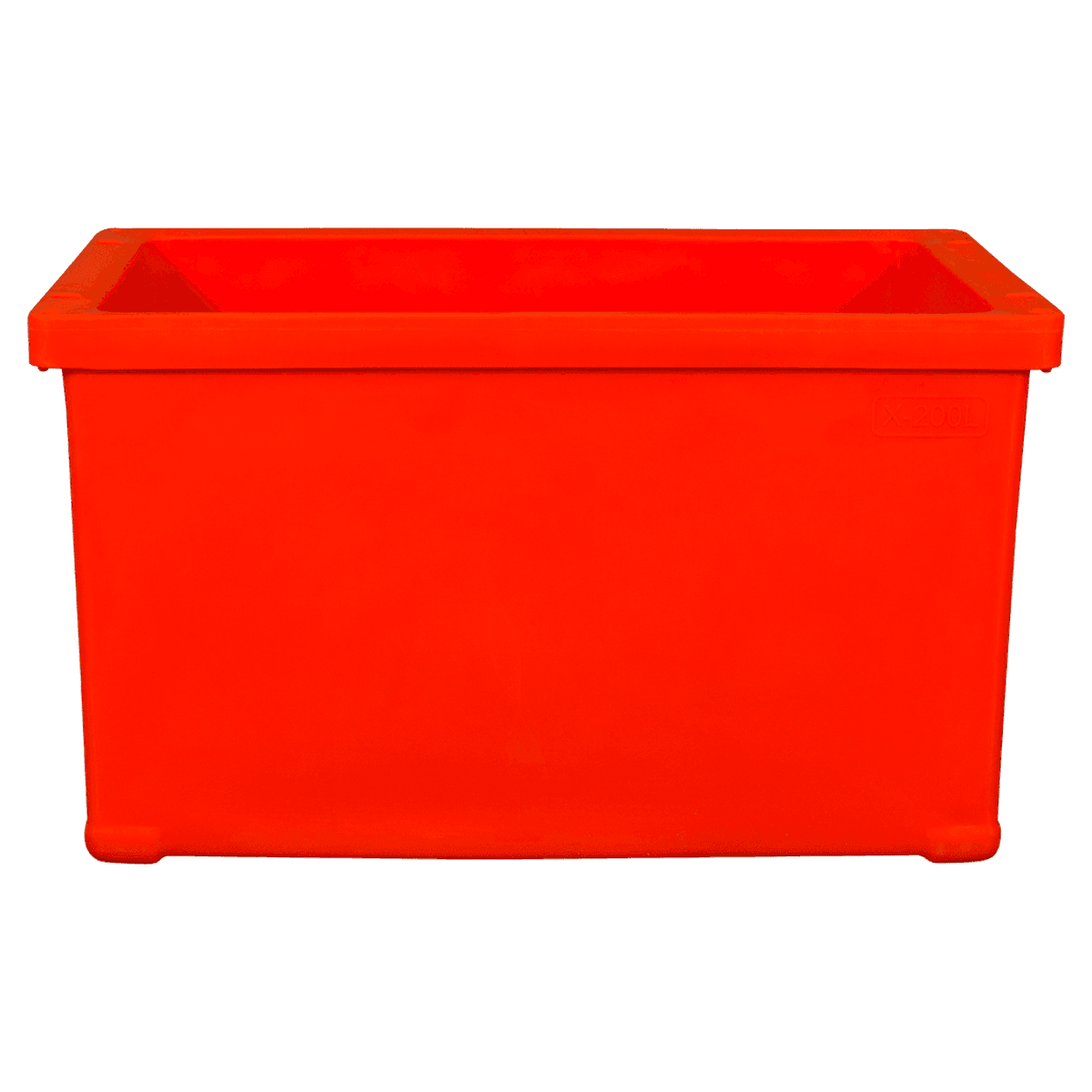
-4.png "X-120L صندوق تبريد ثلج صندوق السمك المعزول")
-4.png "X-70L صندوق تبريد ثلج الصيد المعزول")
-2.png "X-68L صندوق تبريد الثلج للحفاظ على الطعام باردًا وطازجًا")
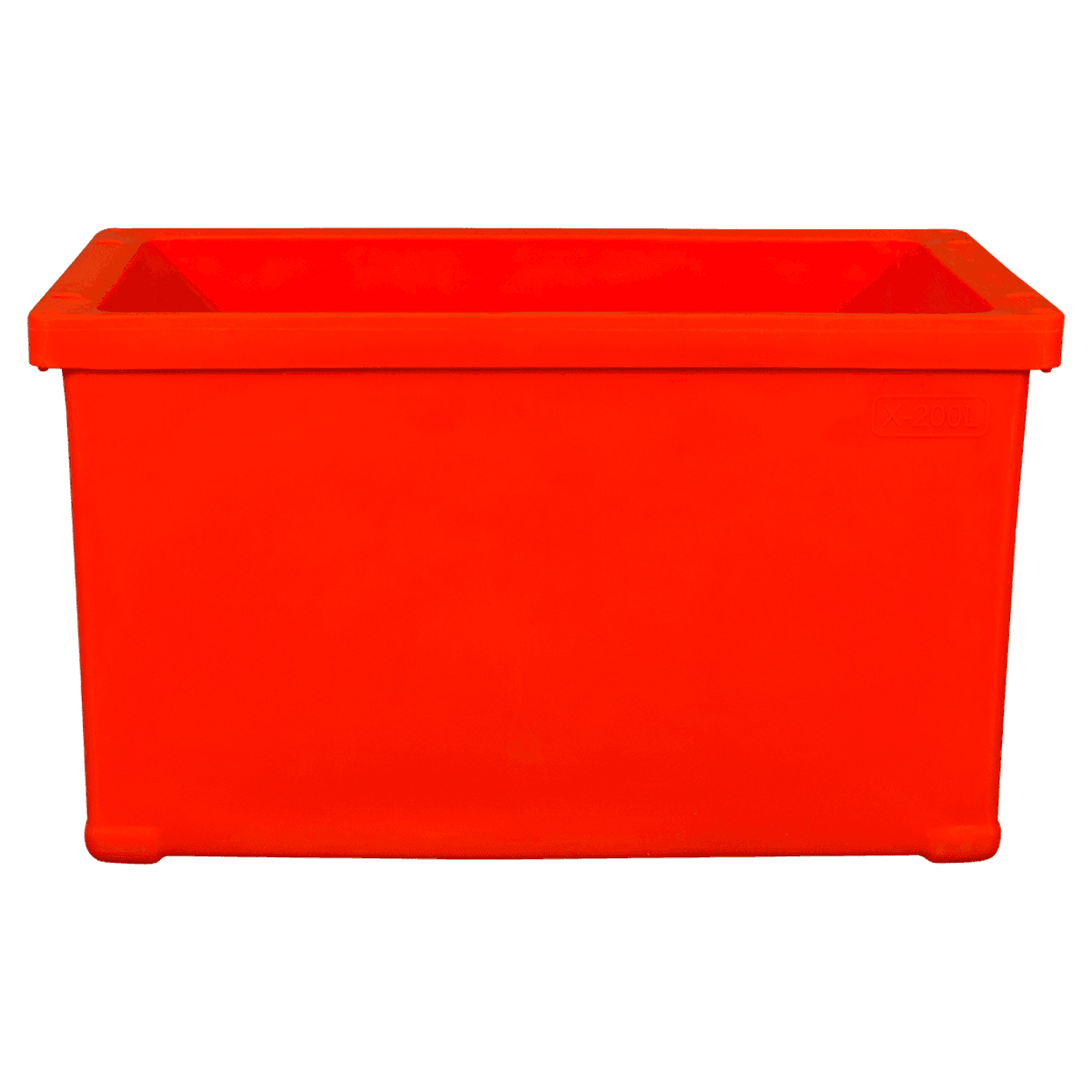
-2.png "X-120L خزانات نقل المأكولات البحرية الحية")
-2.png "X-70L خزانات نقل المأكولات البحرية الحية")
